Appalachian granny women
Who were the granny women of Appalachia?
They were the neighbours a household sent for: women whose standing came from experience, apprenticeship, and trust rather than from a formal license.
A granny woman, in the sense the book uses, was a community healer: a woman called on when illness or uncertainty reached a mountain household. She might bring plant knowledge, a household remedy, a spoken prayer, or the practical reassurance of someone the family trusted. Her work belonged to a world of caregiving and reciprocal obligation, where helping a neighbour created a debt that ran both ways.
Granny Magic pairs community healers with granny midwives and examines experience, apprenticeship, trust, and the responsibilities of helping neighbours. That grouping is the book’s subject. It is not a claim that every healer delivered babies, or that every midwife treated illness.
Questions readers ask
Roles, relationships, and what we cannot assume
Who were granny women in Appalachian communities?
They were women whose neighbours trusted them with care: bringing plant knowledge, household remedies, spoken prayer, or reassurance. Their authority came from experience and apprenticeship within a community, and the work carried obligations as well as standing.
How are granny midwives and community healers related?
They overlap in the book’s account of caregiving, and the overlap should be described carefully. Some women attended births and also treated illness; others did one and not the other. Where a specific role is claimed, the local, dated source is what makes the claim hold.
Did every mountain household rely on a granny woman?
We cannot say that from the surviving record, and the book does not. Access depended on distance, money, family networks, and which neighbours were available. Customs recorded in one community are evidence for that community, not for all of Appalachia.
Why does apprenticeship matter in these stories?
Knowledge passed person to person explains how a practice survived without schools or manuals, and it explains why variants multiplied. It also means the record depends on who was taught, who was remembered, and who was interviewed later.
The care behind the role
Trust was the qualification
A household that called a neighbour into a sickroom was making a judgement about skill, discretion, and character at once. That is why the role is difficult to describe through a list of techniques. The remedy and the reassurance arrived together, from a person the family already knew.
It is also why the history is uneven. Reputation travels in stories, and stories favour the memorable case. The ordinary visits, the ones that went quietly, are the ones least likely to be recorded.
Continue reading
- Healing prayers and talking fireThe spoken side of the work, and its place in Christian life.
- Folk healing historyHow the sources for this history were made, and what they leave out.
- Household remediesThe cupboard a granny woman might have worked from.
- Assessing family storiesQuestions to ask about a healing story your own family kept.
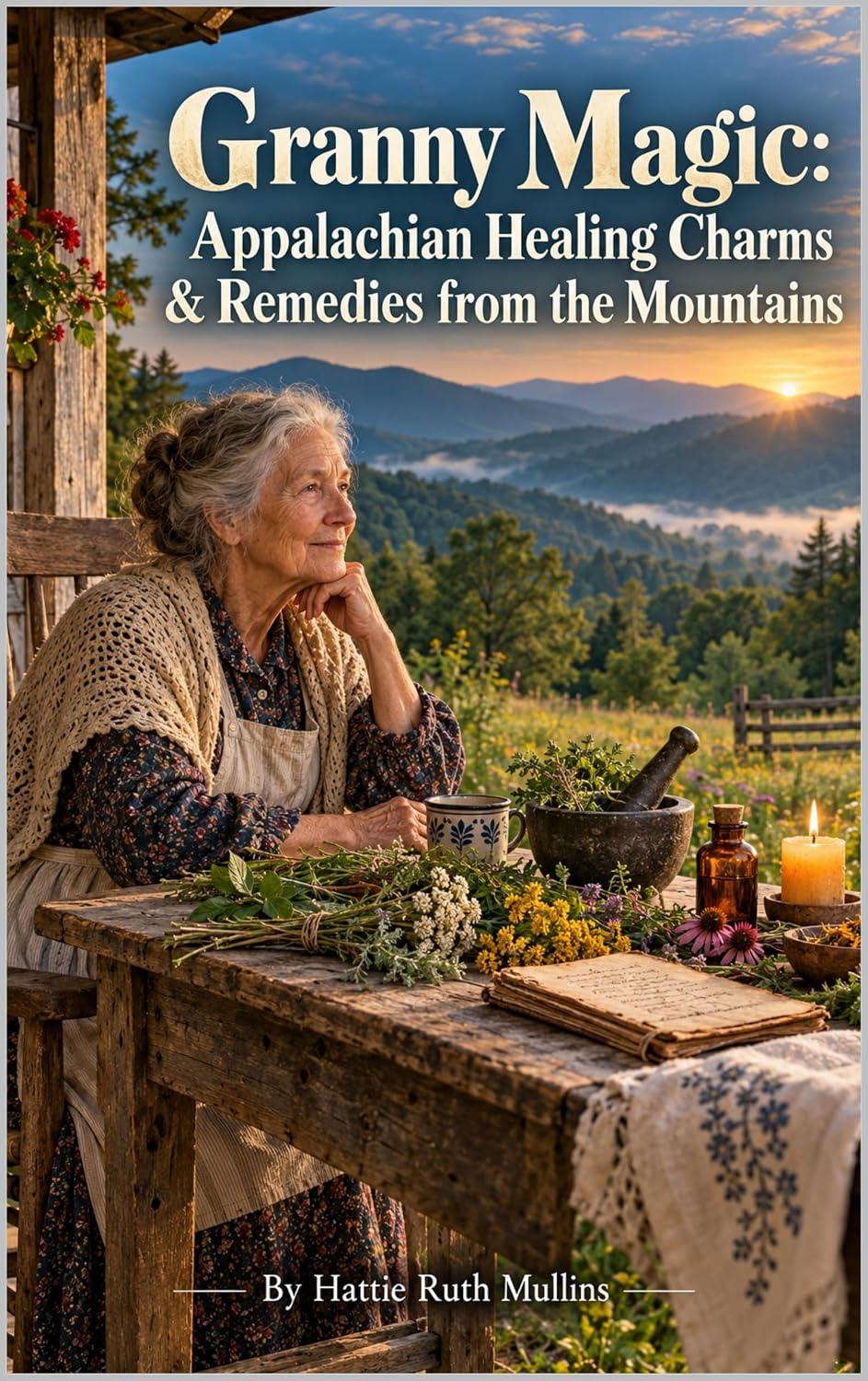
The book
Follow the book to its Amazon listing
Granny Magic examines community healers and granny midwives as part of Appalachian history and folklore. The Amazon listing has the publisher's description and current details.
Listing and purchase are handled on Amazon