Appalachian almanac traditions
Almanacs, lunar timing, and the signs people read
Calendars, protection, and everyday signs: the book examines the small systems households used to decide when to act, and the meanings they found in uncertain circumstances.
An almanac was the most ordinary kind of reference book a mountain household might own. It gathered what a family needed to plan around: the turn of the moon, the expected weather, planting dates, and the anniversaries of the year. Granny Magic places almanacs, lunar timing, blue ceilings, dreams, and everyday signs together as a strand of mountain life concerned with timing and protection.
The book does not treat those signs as knowledge anyone should adopt. It asks what people were doing when they consulted them, and what a household gained from a shared way of deciding that the time was right.
Questions readers ask
What the calendar was for
What can almanacs reveal about Appalachian daily life?
They show what information a household expected to need in a year, and which days were marked as significant for planting, weather, or observance. They are evidence of what was consulted and sold, not proof that every household followed the same advice.
What does lunar timing mean in these traditions?
It means matching an activity, such as planting or cutting, to a phase of the moon. The book names lunar timing as part of the calendar strand of mountain practice; the belief is recorded as belief, and no outcome is claimed here.
Why would a porch ceiling be painted blue?
A blue ceiling is one of the protection customs the book lists, and explanations for it vary between communities. A custom can be well remembered and still have more than one account of why it was done.
What role do dreams play in the book?
Dreams appear among the everyday signs people read when an outcome was uncertain. They are treated as part of how families interpreted their circumstances, not as predictions this site or the book asks readers to rely on.
General context, clearly separated
A dated object in a museum case
This example is background on almanacs as objects, not a claim about what the book contains. The Smithsonian National Museum of American History holds an almanac dated 1834 to 1855, catalogued as a single object and made available in the public domain. See the museum record.
A surviving almanac is a useful reminder of how uneven the record is. The copy that reached a museum is the copy someone kept. The copies that were used up, marked up, or lost are the ones that would tell us most about daily practice.
Reading a sign as history
A shared way of deciding
When a family waited for a particular moon to plant, the practical calendar and the meaningful calendar were the same calendar. That is why these customs are difficult to separate into “useful” and “superstitious” halves. They organised work, and they gave a household a way to agree on timing without an argument.
The historical question is not whether the sign worked. It is who taught it, who was consulted when it failed, and what happened to the practice once printed almanacs, extension agents, and radio forecasts arrived with other ways to know the weather.
Continue reading
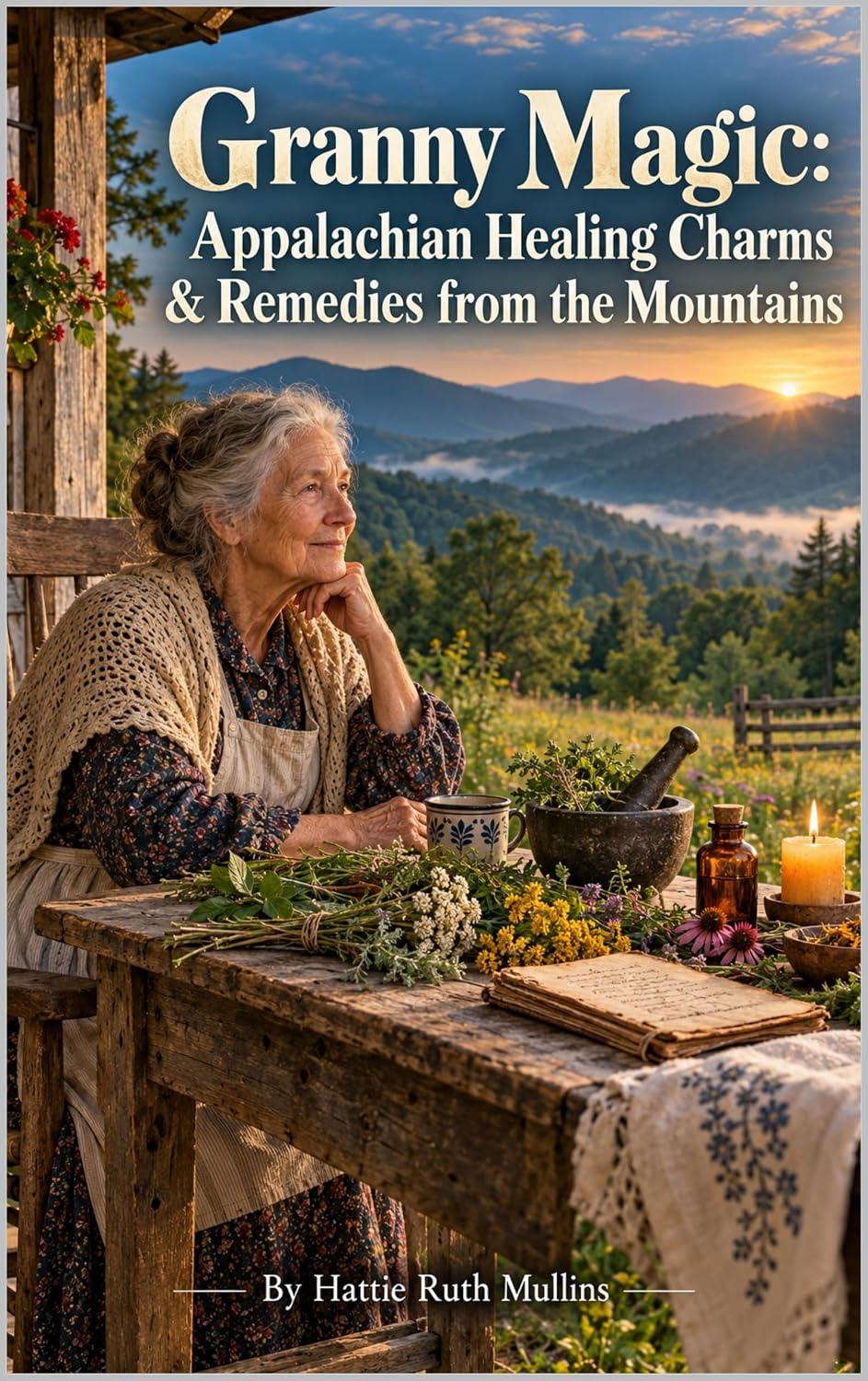
The book
Follow the book to its Amazon listing
Granny Magic examines almanacs, lunar timing, blue ceilings, and dreams as part of Appalachian history and folklore. The Amazon listing carries the publisher's description.
Listing and purchase are handled on Amazon